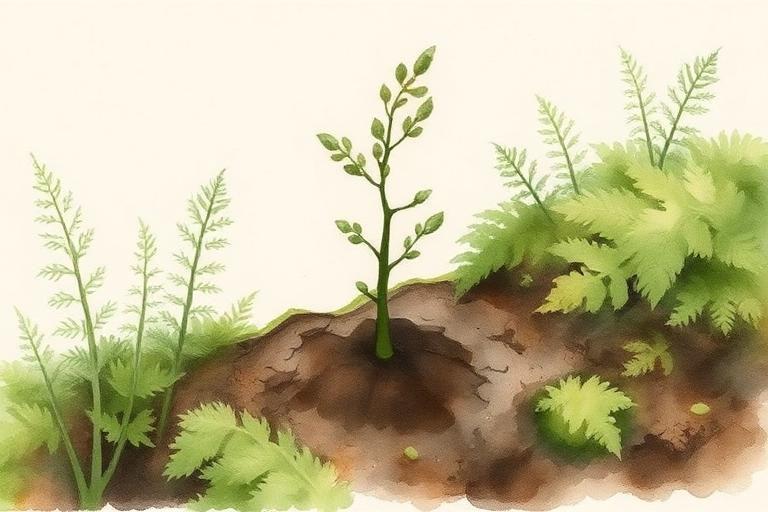
The word stewardship gets used a lot in conservation circles, often interchangeably with management. They are not the same thing.
Management is a transactional posture. You decide what an asset should do, you measure how it performs, and you intervene when it underperforms. Management treats land as a resource. The verbs are extract, optimize, allocate.
Stewardship is a relational posture. You accept responsibility for a place that doesn't belong to you in any final sense — it belonged to the people before you and will belong to people after you. The verbs are tend, listen, repair, hand on.
Three things stewards do that managers don't.
- Show up over a long horizon. Stewards make decisions on the timescale of generations, not quarters.
- Pay attention to relationships, not just outputs. The volunteer who returns ten years in a row is more valuable than the grant that funds a single workday.
- Honor what was already there. Stewards inherit a place — its history, its people, its prior arrangements — rather than inventing it from scratch.
"We can never have enough of nature."
Why the distinction matters.
Most environmental software was built for management. It assumes you want a dashboard. Most conservation organizations don't, really — they want a way to remember a creek over thirty years, to honor a volunteer's twentieth season, to keep faith with a baseline survey from 1998. That is the work of stewardship, and it requires different tools and a different temperament.
If you find yourself called to this work, the first thing to know is that you are not alone, and the second thing is that the bar is lower than you think. Stewardship begins the moment you decide that some particular place is worth your sustained attention.