
A reading room for the long view.
The conservation movement has always been carried, in part, by writers — people who taught the rest of us to look at a creek bank, a flock of geese, a fencerow, and notice what was actually there. These are some of them, alongside fresh essays from the field today.
Field writing for stewards working now.
Themed routes through the writing.
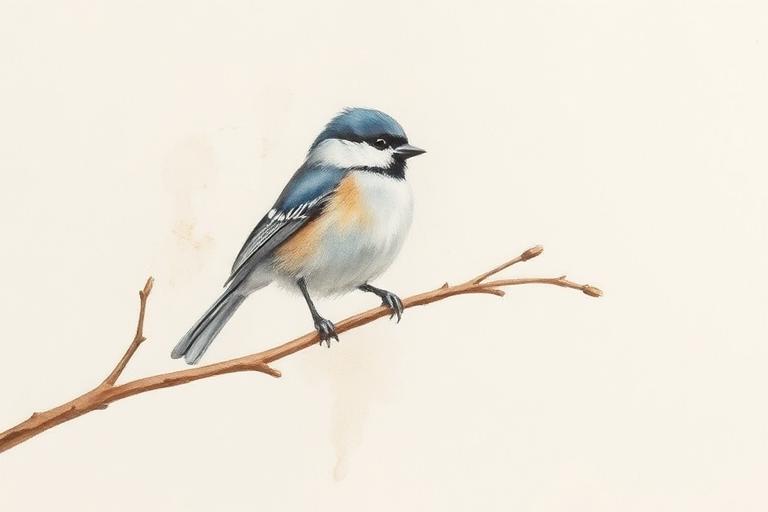
First Noticings
How nature writers first taught Americans to look closely at the ground around them. Thoreau, Burroughs, and the prose that started a century of conservation.
"Heaven is under our feet as well as over our heads."— Henry David Thoreau, Walden
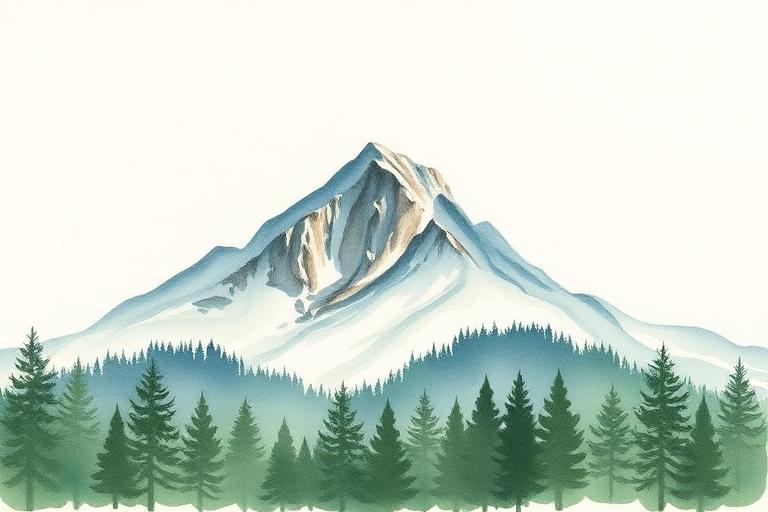
The Mountain Mind
John Muir's wilderness gospel, and the long argument that wild places have intrinsic worth — not merely use-value to the people who visit them.
"The clearest way into the Universe is through a forest wilderness."— John Muir, John of the Mountains
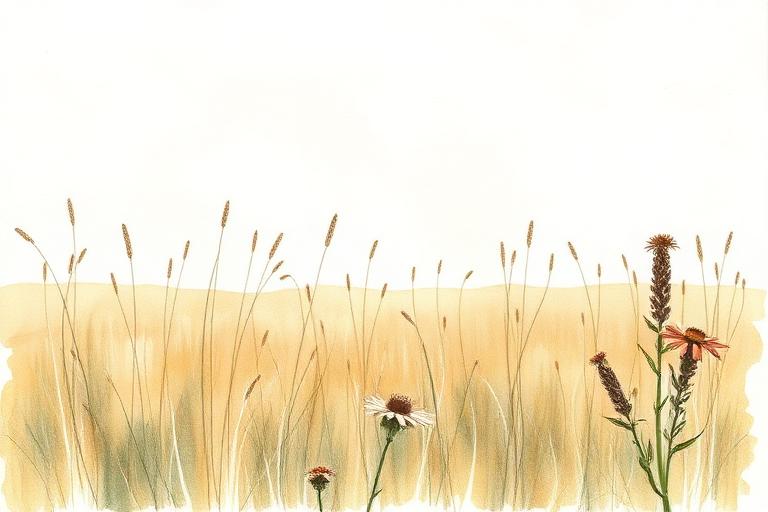
Land as Community
The slow shift from conservation-as-resource-management to conservation-as-relationship — and the early voices who insisted that land is a member of the community, not a commodity.
"We abuse land because we regard it as a commodity belonging to us."— Aldo Leopold, A Sand County Almanac
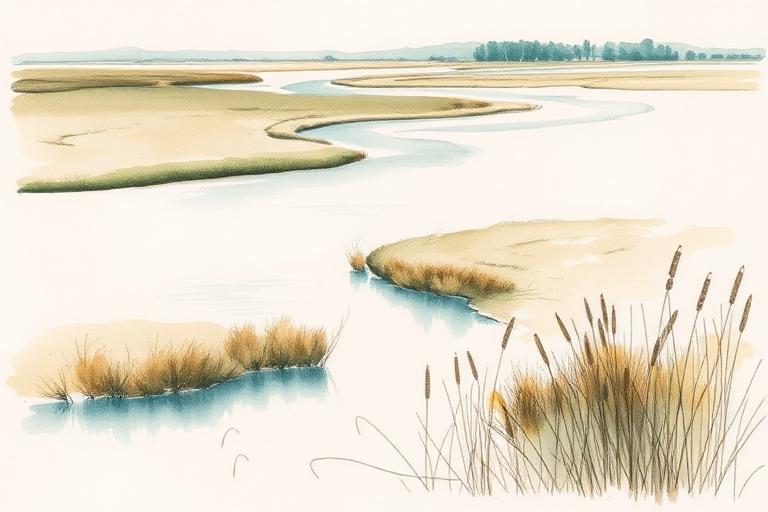
The River and the Shore
Public-domain writing on rivers, wetlands, and coasts — and the case for thinking at the scale of watersheds rather than property lines.
"I have known the rivers ancient as the world."— Langston Hughes
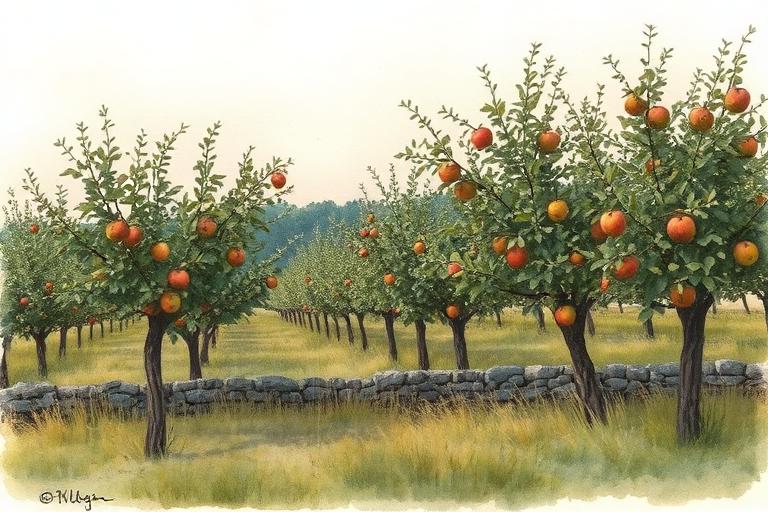
The Quiet Craft of Stewardship
Older voices on the daily, undramatic practice of caring for a particular place over a long horizon. The kind of work that makes everything else possible.
"To plant a garden is to believe in tomorrow."— Audrey Hepburn
Voices of the Commons
Public-domain writing on shared land, common ground, and the long American argument about who land belongs to and what it owes us.
"The earth does not belong to us; we belong to the earth."— attributed to Chief Seattle
Twelve quotations to carry.
Pull one for a newsletter, paste one into a sign at a workday, read one aloud at a meeting. The good ones travel.
"In wildness is the preservation of the world."
"When we try to pick out anything by itself, we find it hitched to everything else in the Universe."
"The land is one organism. Its parts, like our own parts, compete with each other and co-operate with each other."
"The care of the Earth is our most ancient and most worthy and, after all, our most pleasing responsibility."
"I went to the woods because I wished to live deliberately."
"Look deep into nature, and then you will understand everything better."
"We do not inherit the earth from our ancestors; we borrow it from our children."
"Between every two pines is a doorway to a new world."
"What is the use of a house if you haven't got a tolerable planet to put it on?"
"Conservation is a state of harmony between men and land."
"The greatest service which can be rendered any country is to add a useful plant to its culture."
"Adopt the pace of nature: her secret is patience."
The Field Library is built on works that have entered the public domain — Thoreau, Muir, Burroughs, Mary Austin, Whitman, and a wider tradition of American nature writing — alongside contemporary voices we link to where appropriate. Custodia's in-app Library extends this with reading paths, reflections, and personal notes for organizations using the platform.
These resources are free because the work is hard enough already.
Custodia is the software we wished existed for the organizations doing this work — quiet, careful, built around how stewardship actually moves through a year. If you run one, we'd love to show you what we've been making.