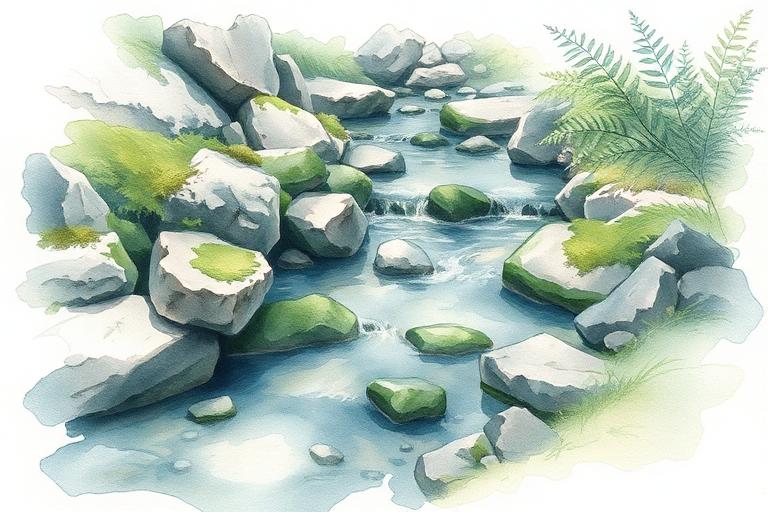
Conservation organizations sometimes argue about priorities — forests vs. prairies, charismatic species vs. soil microbes. The water people tend to be quieter about it, but they have the strongest claim. Water is the system every other system runs on.
Water connects everything.
A drop of rain that falls on a hilltop in your county will, weeks or years later, come out of someone's tap. The path it takes — through soil, through roots, through wetlands, through aquifers — determines whether it arrives clean or contaminated, abundant or scarce. Land use anywhere in a watershed is a water decision, whether the people making it know that or not.
What healthy water systems need.
- Intact riparian buffers — the strip of trees and grasses along a creek that filters runoff and keeps the water cool.
- Working wetlands — nature's water-treatment plants, which we drained for centuries and are now expensively rebuilding.
- Permeable ground — soil and plants that let rain soak in instead of running off into a storm drain.
- Connected flow — culverts and crossings designed so fish, water, and sediment can move the way they always have.
"Thousands have lived without love, not one without water."
Why it's also the most political.
Water doesn't respect property lines, county lines, or state lines. Protecting a watershed means coordinating across landowners who would otherwise have nothing to do with each other. That is hard, slow, deeply local work — and it is also some of the most rewarding conservation you can do, because the results show up in the well downstream.